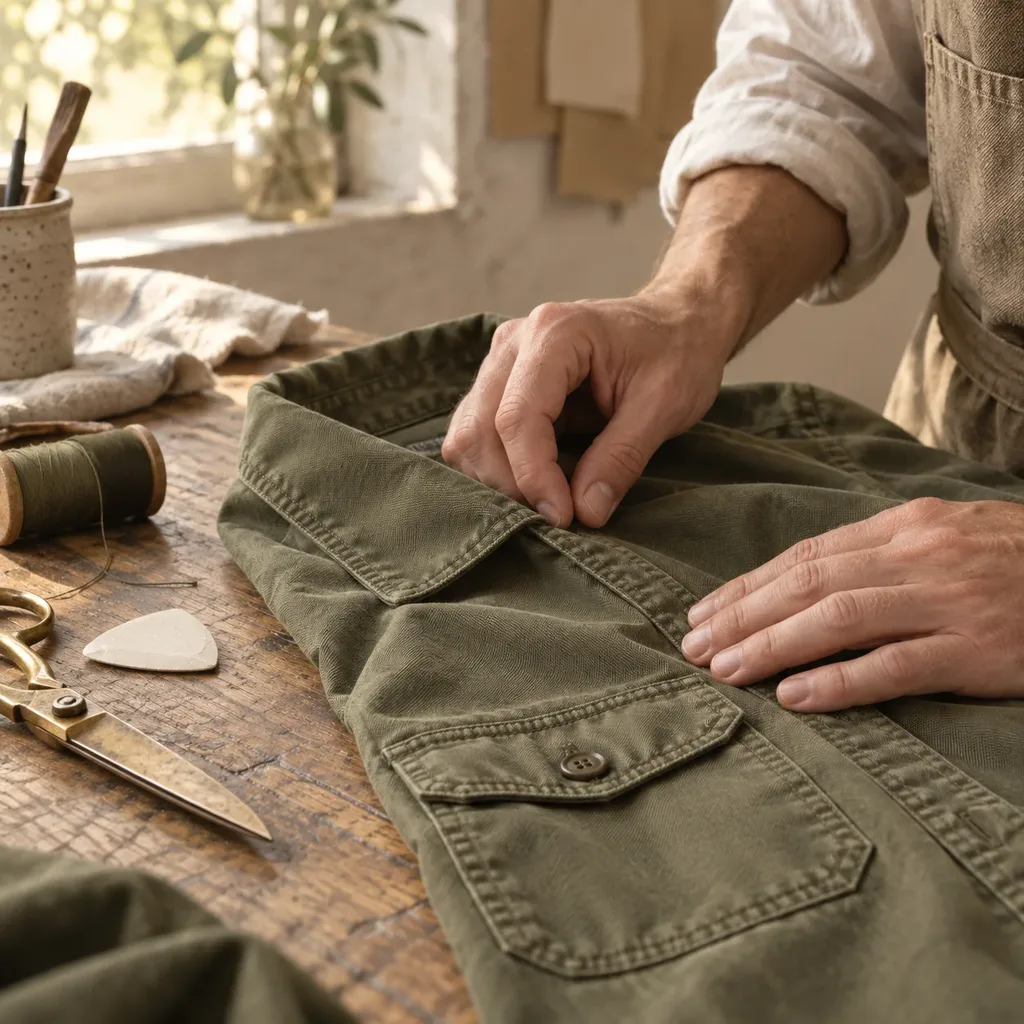
When the weather turns warm, it is tempting to push the scarves and sweaters to the back of the closet and forget about them until October. That is how most wool gets damaged. Moths, damp and the weight of a hanger do more harm over one summer than a whole winter of wear.
Putting wool away properly takes an hour, and saves finding a small hole in your favorite sweater on the first cold morning of fall.
Clean it first
This is the one step you cannot skip. Clothes moths are not attracted to wool itself as much as to what is on it: traces of skin, sweat and food. A sweater that has been worn once and put away is far more likely to be eaten than one that has been washed.
Wash each piece by hand in cold water with a wool detergent, or on the wool cycle of your machine if the label allows it. Press the water out by rolling the piece in a towel, never by wringing it, and dry it flat on a rack, away from direct heat. Make sure it is completely dry before you put it away, which can take a full day for a thicker knit.

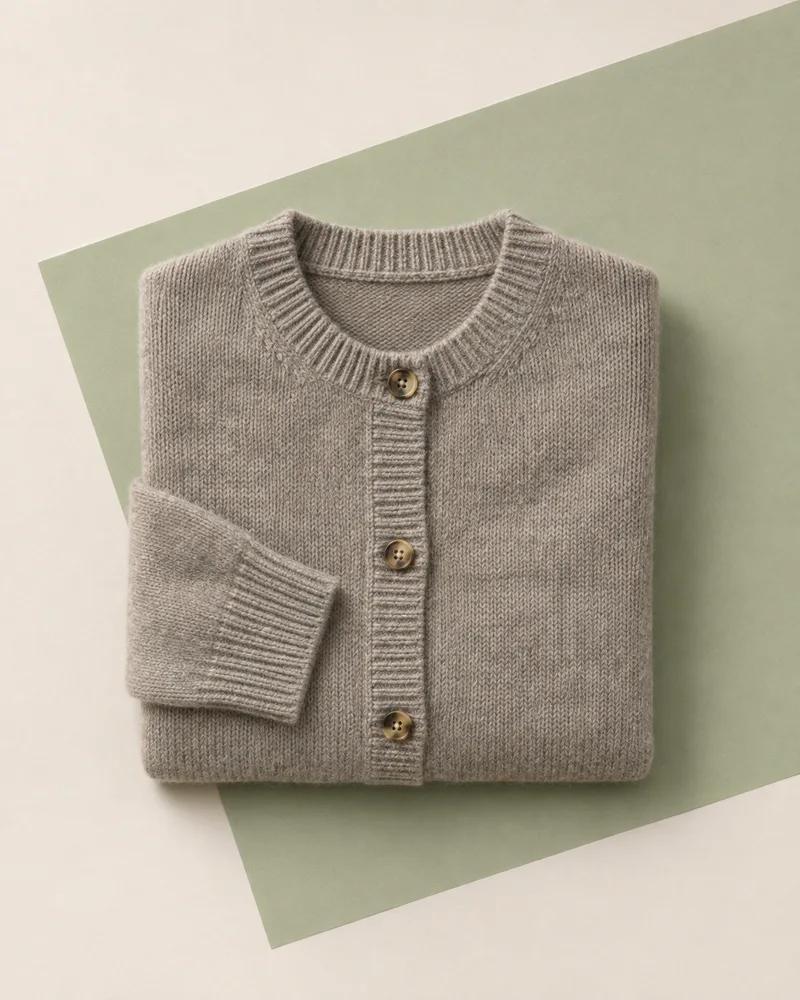
Take anything dry cleaned out of its plastic cover before storage. The cover traps moisture from the room, and wool that cannot breathe for four months comes out smelling stale.
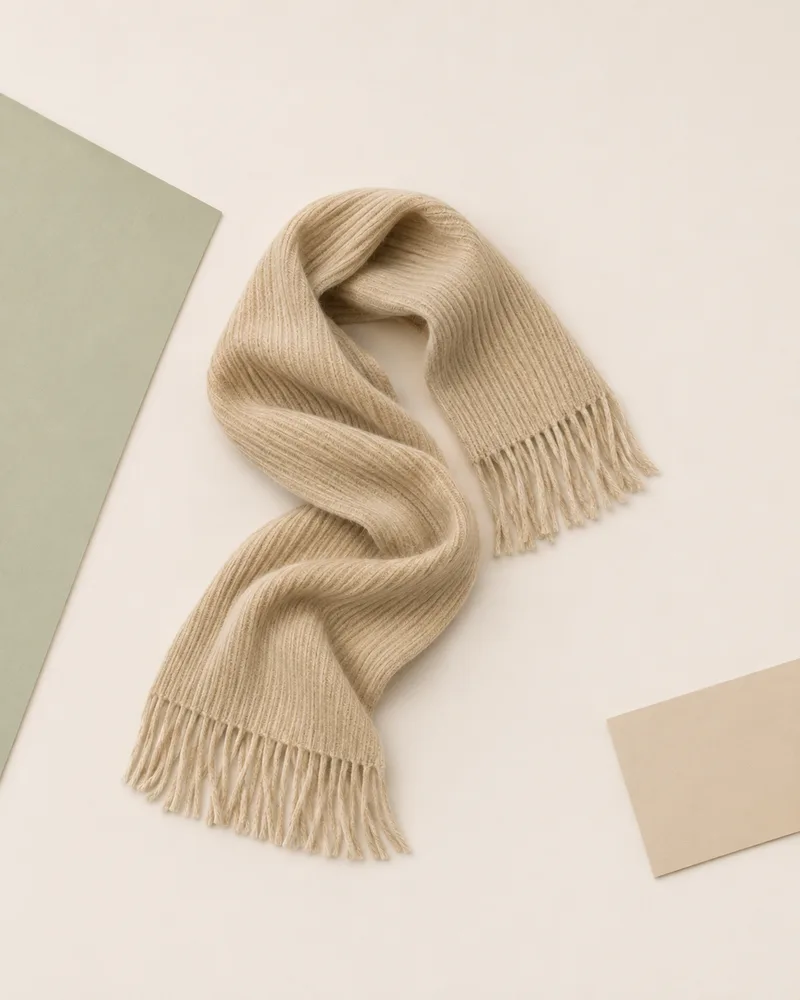
For the Alpine Merino Scarf, a gentle hand wash is enough. Merino is fine and soft, so treat it as you would your hair: cool water, a little gentle soap and no rubbing.
-
Shop the story
Color: 2
Original price was: $58.$46Current price is: $46.Ships in 1–2 business days
View: Alpine Merino Scarf
Fold, never hang
Wool stretches under its own weight. A sweater left on a hanger for four months develops points at the shoulders and a longer body than it had in spring, and it does not always go back.
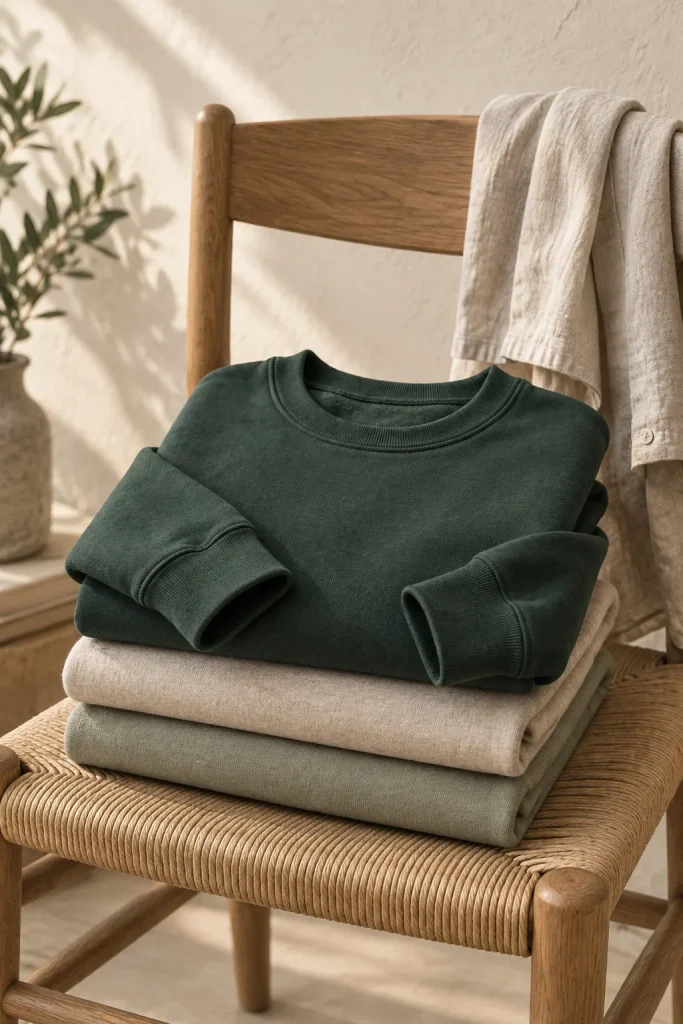
Fold each piece loosely and lay it flat. Put the heaviest knits at the bottom and the lightest on top, so nothing is crushed. If you have space, a layer of acid-free tissue between pieces helps prevent creases.
- Store wool in a drawer, a cotton storage bag or a box with a lid
- Avoid plastic bags and vacuum bags, which trap moisture
- Keep it somewhere cool, dark and dry, not in a loft or cellar
- Leave a little room around each piece so air can move
Let cedar do the rest
Moths dislike the smell of cedar, which is why cedar blocks and rings have been used in wardrobes for generations. Put a block or two in each drawer or box. They do not kill moths, but they make your wool much less inviting.
Keep the blocks close to the wool but not resting on pale knits. Fresh cedar can leave a faint yellow mark on pale neutrals like oat or sand.
Cedar loses its scent over time. At the start of each summer, give the blocks a light sanding to refresh them. Lavender sachets work the same way, but fade faster.
Check your stored wool once in the middle of summer. Take each piece out, shake it and look for small holes or fine silky threads, which are signs of moths. If you find any, wash everything in that drawer again, vacuum the drawer and freeze any piece you are worried about for 72 hours to be safe.
Moths do their work in the months you are not looking.
Marta Nowak, Common Goods
When fall arrives, air each piece for a day before you wear it. The smell of cedar fades quickly, and the knit will be ready for another winter.