

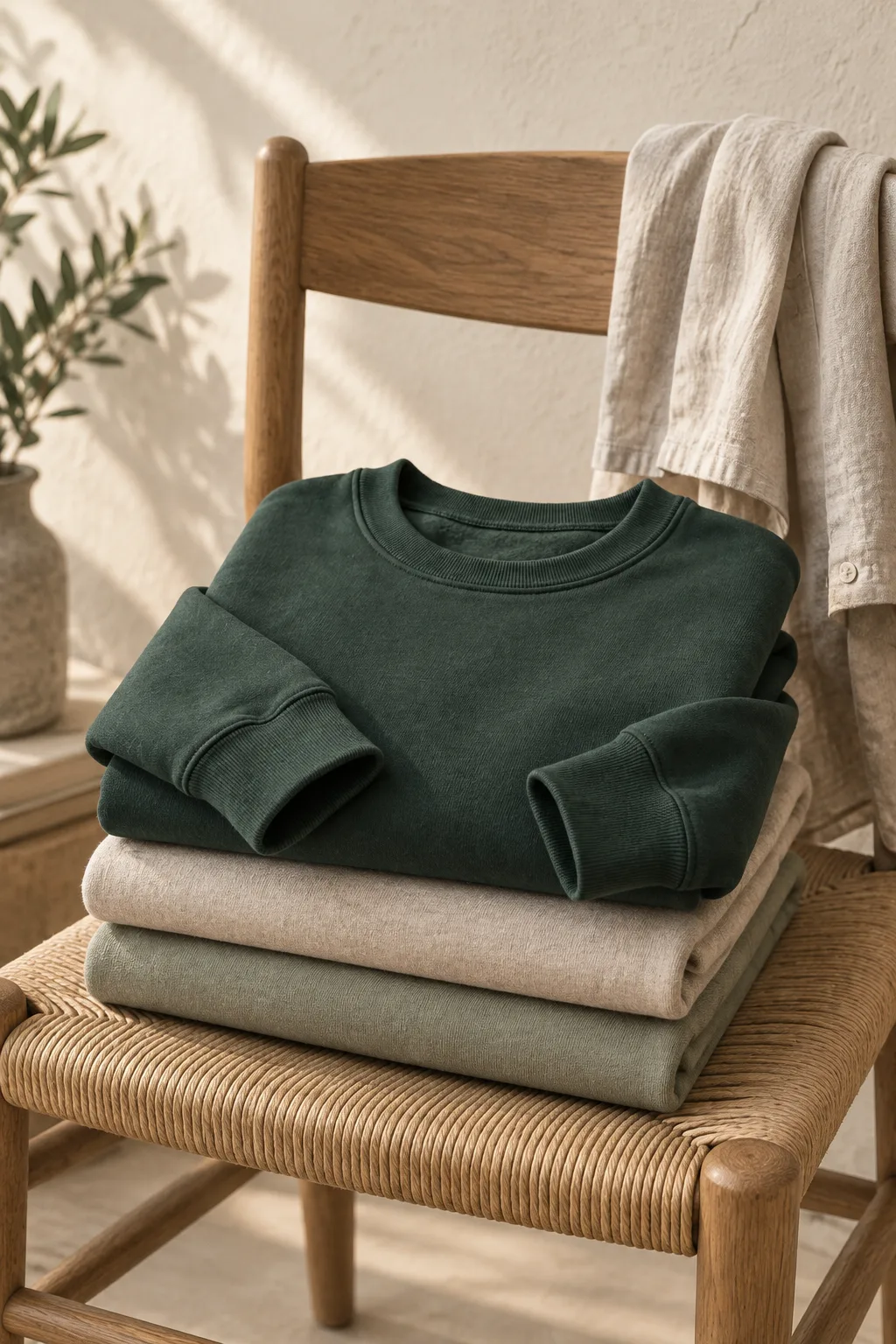
Common Goods started in 2019 with one overshirt and one question: what would it take to make something you keep for ten years? We still ask it before every product, and most of the time the honest answer is to make less of it.
That runs against how most stores work. The usual model is to design a lot, make a lot and sell what you can before the next season arrives. What does not sell goes on sale, and the next season’s range is already on its way. We decided early on not to work like that, and it has shaped nearly every decision since.
Short runs
We make small batches and restock what sells. A new color of the Field Overshirt starts with a run of a few hundred shirts. If it sells, the workshop in Łódź makes more. If it does not, we stop, and we learn something.
Short runs cost more per piece. Fabric is cheaper by the mile than by the roll, and workshops charge more for small orders. We pay that difference because the alternative is worse. A big run means a guess about how many people will want a shirt six months from now, and every wrong guess ends up as a pile of unsold stock that someone has to discount, store or throw away.
Short runs also let us change things. When customers asked for a slightly longer back on the overshirt, so it stayed tucked over a belt when they sat down, we changed it on the next batch. When a zip on an early bag was not strong enough, we changed supplier within a month. Big runs lock mistakes in.
Small, regular orders are better for the workshops, too. A workshop that gets a huge order in March and nothing in July has to take people on and let them go twice a year. Steady work lets our partners keep the same people, and the same people make better shirts.
How something joins the range
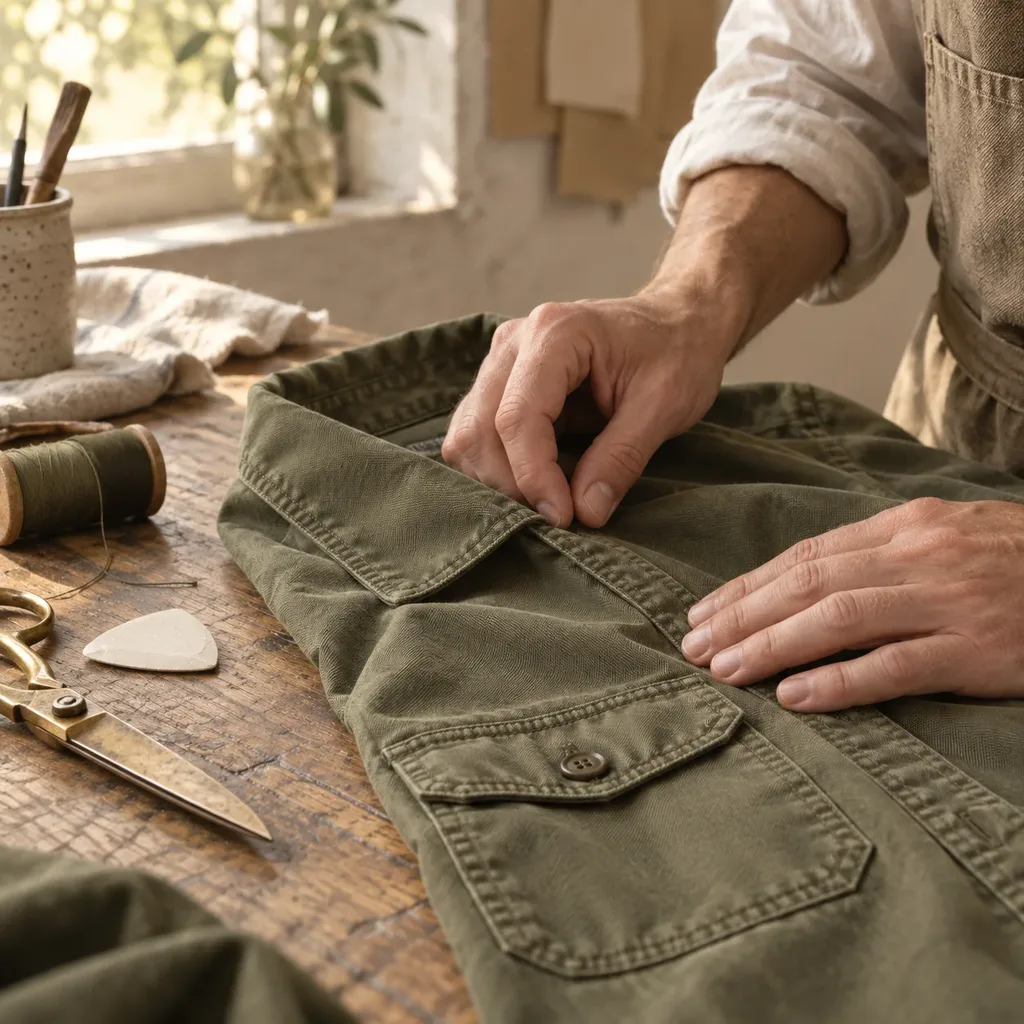
Before anything goes on sale, someone in the studio wears or uses a sample for a full season. The first overshirt went through a winter of cycling to work before we ordered a single run. The Canvas Weekender spent a summer in the boot of a car and came back with a list of changes: a longer zip pull, a firmer base and a pocket moved to where a hand actually reaches for it.
Most samples do not survive that test, and that is the point. It is far cheaper to find a weak strap on one bag than on four hundred, and a season of wear shows things no fitting room can: which seams rub, which pockets stay empty, which color fades first.
We also ask whether a new thing replaces something or simply adds to the pile. A second color of a shirt people already wear is easy to say yes to. A new kind of product has to do a job nothing else in the range does, in a material we know how to look after and repair. That is why the shop holds a little over twenty products rather than two hundred, and why some of them have not changed in years.
No seasonal clear-outs
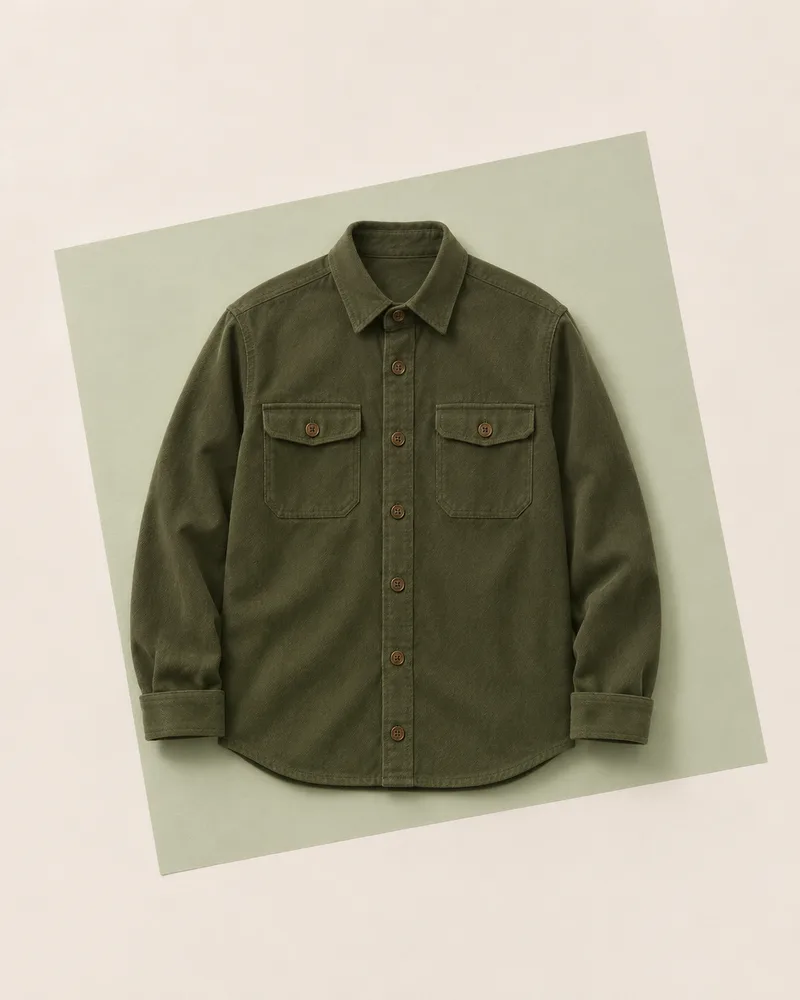
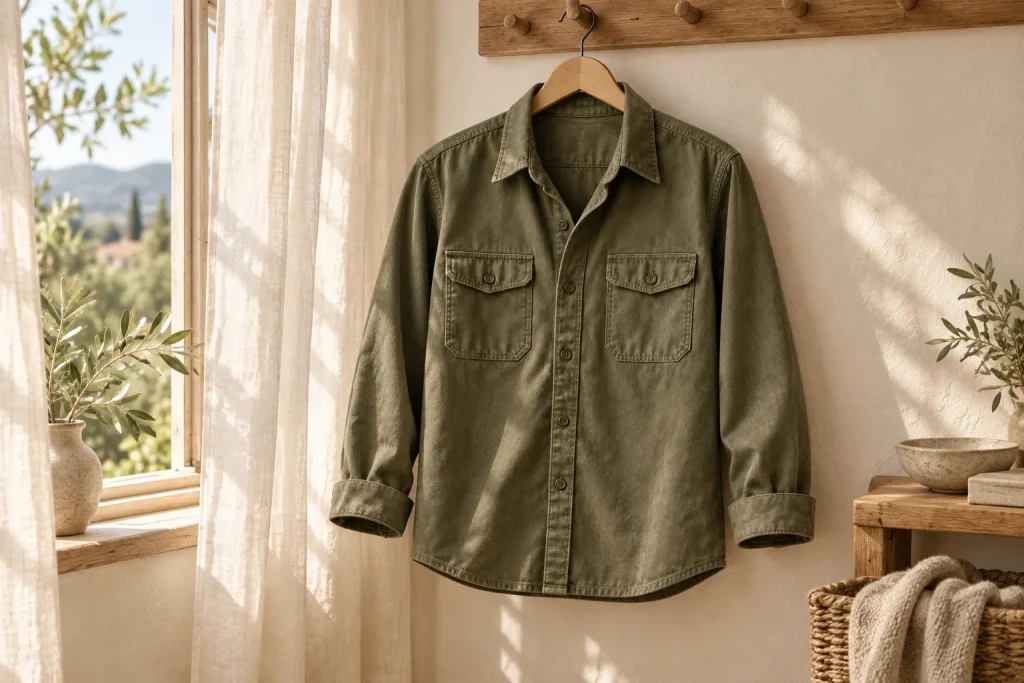
We do not have a spring collection and a fall collection, and we do not hold a sale at the end of each one. Most of what we make stays in the range for years. The olive overshirt you buy today is the same shirt we sold in 2019, with a few small improvements.
-
Shop the story
Color: 2 · Size: 5
$98Ships in 1–2 business days
View: Field Overshirt
Prices do go down in one situation. When we stop making a color, or a batch comes in slightly off, we reduce the last pieces and say why.
The merino scarf is a good example. We are moving to a slightly finer yarn, and the last of the current batch is marked down until it is gone. That is a different thing from marking everything down twice a year to make room for more.
We also do not send sales emails. The newsletter goes out once a month and it is mostly about how things are made and how to look after them.
Repair first
The most useful thing we can do after you buy something is to keep it working. Every product comes with a care guide. Every overshirt comes with a spare button. And for the first two years, our repair service fixes anything we make, for free.
So far we have done more than 1,400 free repairs. Most are small: a loose button, a lifted seam, a strap that needs a new rivet. Some are bigger. We have replaced worn cuffs and collars, rebuilt the handles on a weekender and re-waxed bags that had been left in a garage for a winter. Where we can, we use cloth and parts from the same batch, which is only possible because we know our workshops and keep their offcuts.
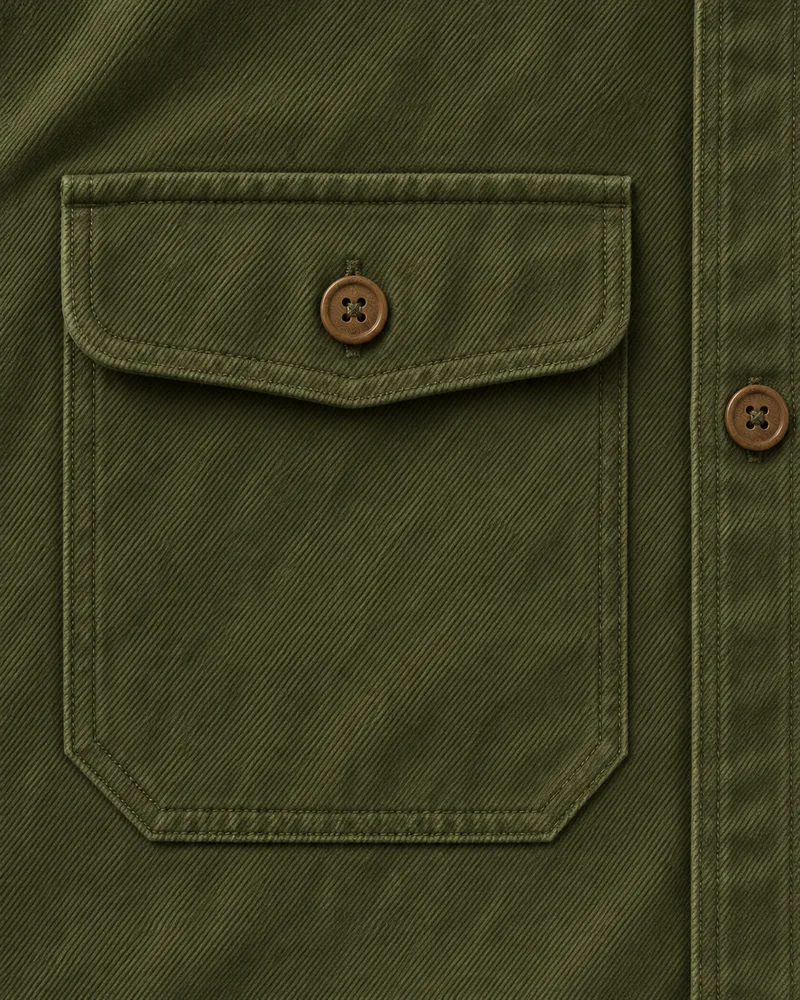
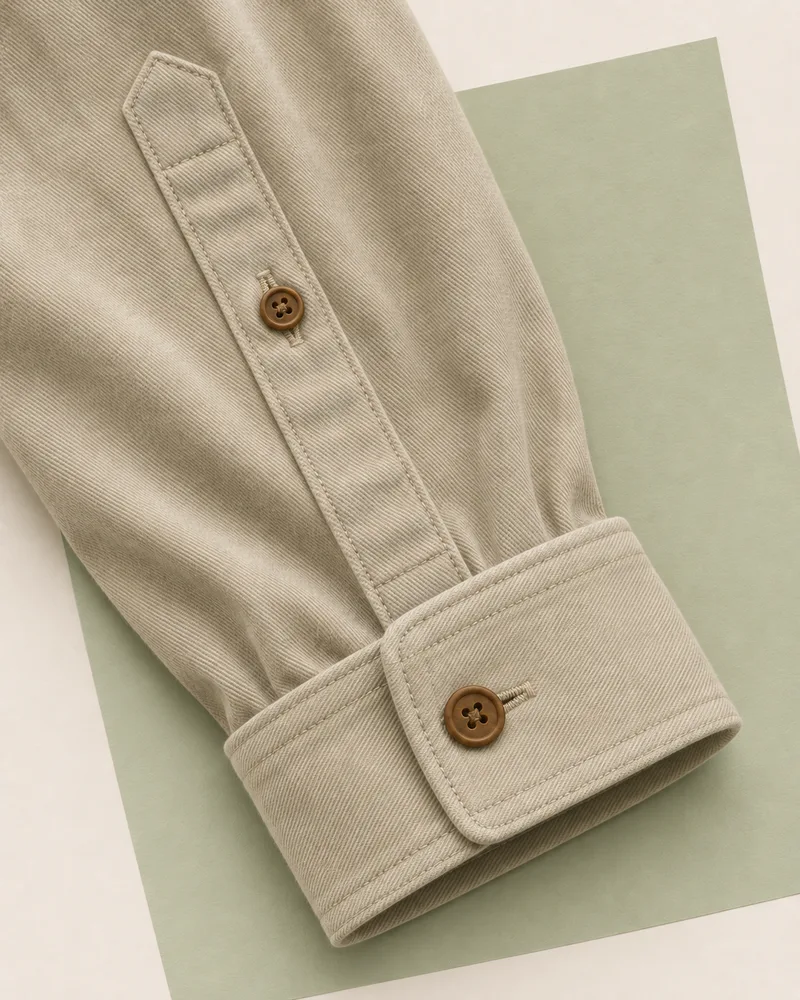
Repairs are not free for us. They take time in the studio and postage both ways. But they tell us more about our products than any review can. If the same seam keeps coming back, we change how it is sewn.
Nothing from the workshops goes to waste if we can help it. Offcuts come back from every batch and sit on a shelf in the studio, sorted by cloth and color. Shirts that fail the final check in Łódź, roughly one in forty, become seconds, and seconds become spare parts: a cuff, a pocket flap, a collar stand. A shirt that could not be sold keeps three others in use.
“We would rather sell you one shirt you wear for a decade than five you forget by spring.”
Ola and Piotr, founders
What it asks of you
A store that makes fewer things has to ask something of the people who shop there too. In practice it comes down to a few habits:
- Buy what you will wear often, not what is new
- Wash less, and more gently
- Fix small things before they become big ones
- Pass things on when you are done with them
None of this is new. It is how most people looked after their clothes and tools a couple of generations ago. We think it is worth making it easy again. Our care guides are a good place to start, from washing cotton twill to bringing a waxed bag back after a wet season.
We have not got everything right. Some of our materials are recycled rather than natural, because for a bottle or a rain-resistant daypack we have not yet found a better option. Our packaging is paper, but there is still more of it than we would like. And shipping, even in a small box, has a cost we cannot design away.
We would rather tell you that than pretend otherwise. You can meet the people at one of our six partner workshops in our visit to Łódź.
Making fewer things is not a slogan for us. It is simply the only way we have found to make things properly.
Quick answers
Do you ever hold a sale?
Not a seasonal one. We reduce a product only when we stop making it or a batch comes in slightly off, and the product page says which. Everything else stays at the same price all year.
What does the free repair service cover?
Anything we make, for the first two years: seams, buttons, zips, straps, rivets and re-waxing. Write to us first and we will tell you how to send it. After two years we still repair, and we tell you the price before we start.
What should I do with something I no longer wear?
Pass it on to someone who will. If it needs mending first, send it to us under the repair service; a shirt with new cuffs is a much better present than a shirt with frayed ones.
2 responses
Author
I sent a weekender in for new handles last winter. It came back better than it left. Thank you for doing this.
Author
Honest about the packaging too. More stores should write like this.
Comments are closed.